
top of page

Understanding Storm Damage in Northwest Ohio and What Your Insurance Might Not Reveal

  • korey593
  • Apr 6
  • 4 min read

Storm damage is a serious concern for homeowners in Northwest Ohio. This region faces frequent severe weather, including powerful tornadoes that can cause devastating destruction. As someone who has lived through these storms, I know how overwhelming the aftermath can be. Beyond the immediate damage, understanding what your insurance covers—and what it might not—can make a huge difference in recovery.


In this post, I’ll share practical insights about common types of storm damage in Northwest Ohio, explain some surprising gaps in insurance policies, and offer tips to protect your home and finances.


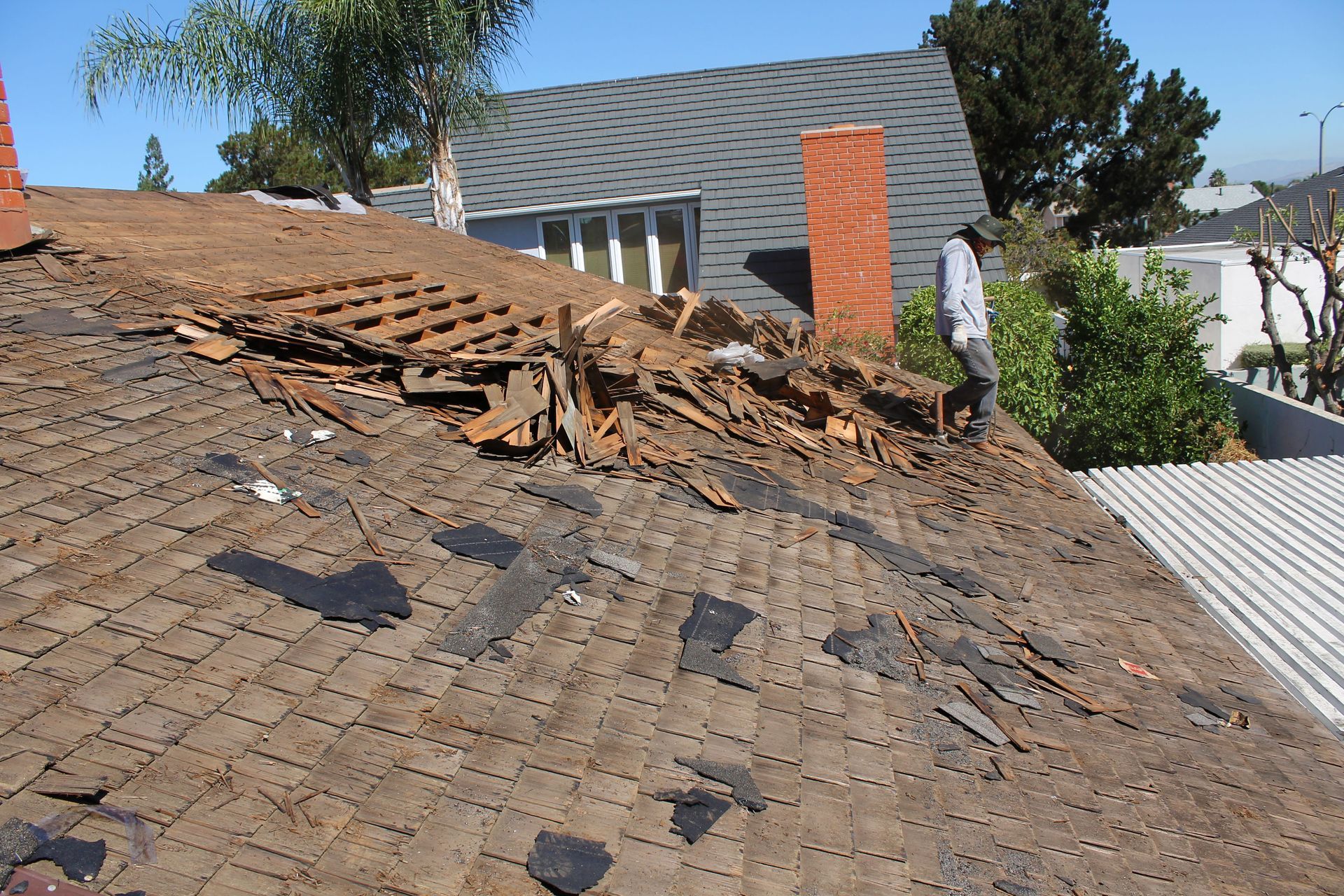
Eye-level view of a residential neighborhood in Northwest Ohio with visible roof damage after a tornado
Storm damage to homes in Northwest Ohio after a tornado

Common Types of Storm Damage in Northwest Ohio


Northwest Ohio experiences a range of severe weather, but tornadoes and strong windstorms are the most damaging. Here are the typical types of damage homeowners face:


  • Roof Damage

Tornado winds can rip off shingles, tear holes, or even lift entire sections of roofing. Missing shingles expose your home to rain and further damage.


  • Broken Windows and Doors

Flying debris during storms often shatters windows and damages doors, creating entry points for water and pests.


  • Siding and Exterior Damage

High winds can crack, dent, or tear siding materials. This damage not only affects appearance but also compromises your home’s insulation.


  • Flooding and Water Damage

Heavy rains often accompany storms, leading to basement flooding or leaks through damaged roofs and walls.


  • Tree and Debris Impact

Falling trees or large branches can crush roofs, vehicles, and fences, causing costly repairs.


Understanding these common issues helps you spot damage early and document it for insurance claims.


What Insurance Usually Covers and What It Might Not


Many homeowners assume their insurance will cover all storm-related damage, but policies often have limits and exclusions. Here’s what you need to know:


Covered Damage


  • Wind and Tornado Damage

Most standard homeowners insurance policies cover damage caused by wind and tornadoes, including roof repairs, broken windows, and structural damage.


  • Debris Removal

Insurance often pays for removing fallen trees or debris if they directly damaged your home or blocked access.


  • Water Damage from Roof Leaks

If the roof is damaged by a covered peril like wind, resulting water damage inside the home is usually covered.


Common Exclusions and Limitations


  • Flood Damage

Flooding caused by heavy rain or storm surge is typically excluded from standard policies. You need separate flood insurance through the National Flood Insurance Program (NFIP) or private insurers.


  • Maintenance-Related Damage

Insurance won’t cover damage caused by neglect or lack of maintenance, such as a roof that was already in poor condition before the storm.


  • Sewer Backup

Water damage from sewer or drain backups during storms usually requires additional coverage.


  • Personal Property Limits

Some policies limit payouts for personal belongings damaged in storms, so you may need extra coverage for valuable items.


  • Deductibles

Windstorm or hurricane deductibles can be higher than standard ones, meaning you pay more out of pocket before insurance kicks in.


Real Example


After a tornado hit a nearby town, a homeowner I know discovered her insurance covered roof repairs but not the flooding in her basement. She had to rely on a separate flood policy to cover those costs. This situation is common and highlights the importance of understanding your policy details.


Steps to Protect Your Home and Prepare for Storm Damage


Being proactive can reduce damage and ease insurance claims. Here are practical steps every Northwest Ohio homeowner should take:


  • Inspect and Maintain Your Roof

Regularly check for loose or missing shingles and repair them promptly. A well-maintained roof withstands storms better.


  • Trim Trees and Remove Dead Branches

Keeping trees healthy and trimmed reduces the risk of falling limbs during high winds.


  • Install Storm-Resistant Windows and Doors

Consider impact-resistant glass or storm shutters to protect openings.


  • Clear Gutters and Drainage Systems

Proper drainage prevents water buildup and flooding during heavy rains.


  • Document Your Property

Take photos and videos of your home’s condition before storm season. This evidence helps with insurance claims.


  • Review Your Insurance Policy Annually

Confirm what is covered, check deductibles, and consider adding flood or sewer backup coverage if needed.


  • Create an Emergency Plan

Know where to take shelter during tornado warnings and keep emergency supplies ready.


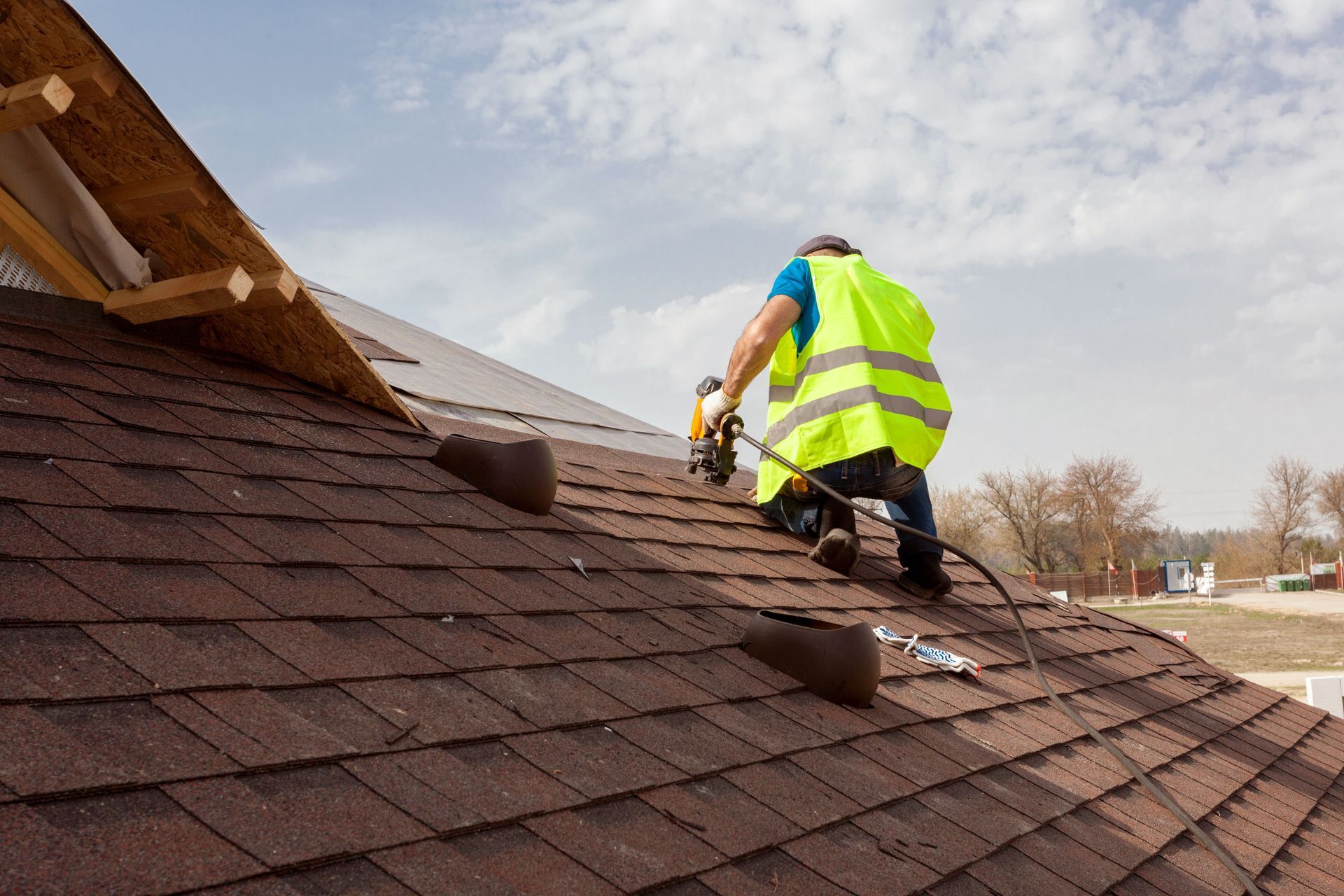
Close-up view of a homeowner inspecting roof shingles for damage after a storm in Northwest Ohio
Homeowner inspecting roof shingles for storm damage in Northwest Ohio

What to Do After Storm Damage Occurs


If your home suffers storm damage, quick action can protect your property and support your insurance claim:


  • Ensure Safety First

Avoid entering damaged areas that may be unstable. Watch for downed power lines or gas leaks.


  • Document All Damage

Take detailed photos and videos of every damaged area, including roofs, windows, siding, and interiors.


  • Contact Your Insurance Company Promptly

Report the damage as soon as possible and ask about the claims process.


  • Keep Receipts for Temporary Repairs

If you need to cover holes or leaks to prevent further damage, save receipts for materials and labor.


  • Get Multiple Repair Estimates

Comparing quotes helps ensure fair pricing and supports your claim.


  • Beware of Scams

After major storms, some contractors may overcharge or perform poor work. Check references and licenses before hiring.


Final Thoughts on Storm Damage and Insurance in Northwest Ohio


Storm damage in Northwest Ohio can be overwhelming, but understanding the risks and your insurance coverage helps you prepare and recover more effectively. Tornadoes and severe storms can cause a range of damage, from roof destruction to flooding. Insurance policies cover many of these risks but often exclude flood damage and have specific deductibles and limits.


Taking steps to maintain your home, review your insurance, and document your property can save time and money when storms strike. If you haven’t reviewed your policy recently, now is the time to do so. Consider adding flood insurance if you live in a flood-prone area.


Protecting your home is an ongoing effort, but being informed and prepared gives you peace of mind when the next storm hits. If you experience storm damage, act quickly, document everything, and work closely with your insurer to get the support you need.


Your home is one of your biggest investments. Taking these steps helps you safeguard it against the unpredictable weather of Northwest Ohio.


Comments


bottom of page