September 30, 2026
Your roof is one of the largest investments you'll ever make in your home, yet it's also one of the easiest to overlook. Tucked overhead and out of sight, it quietly shields your family from rain, snow, wind, and sun day after day. Most homeowners don't think about it until a stain appears on the ceiling or shingles land in the yard after a storm. By then, a small, manageable issue may have grown into an expensive repair.
The good news is that a roof's lifespan isn't left entirely to chance. The choices you make during installation, the attention you give it over the years, and how quickly you respond to damage all play a major role in how long it lasts. Smart roofing is about being proactive rather than reactive. In this guide, we'll walk through practical strategies to help you protect your roof, avoid premature failure, and get the most value from every dollar you've put into it. Along the way, you'll see why partnering with a trusted local roofer makes such a difference.
Starting With Quality Asphalt Shingle Installation
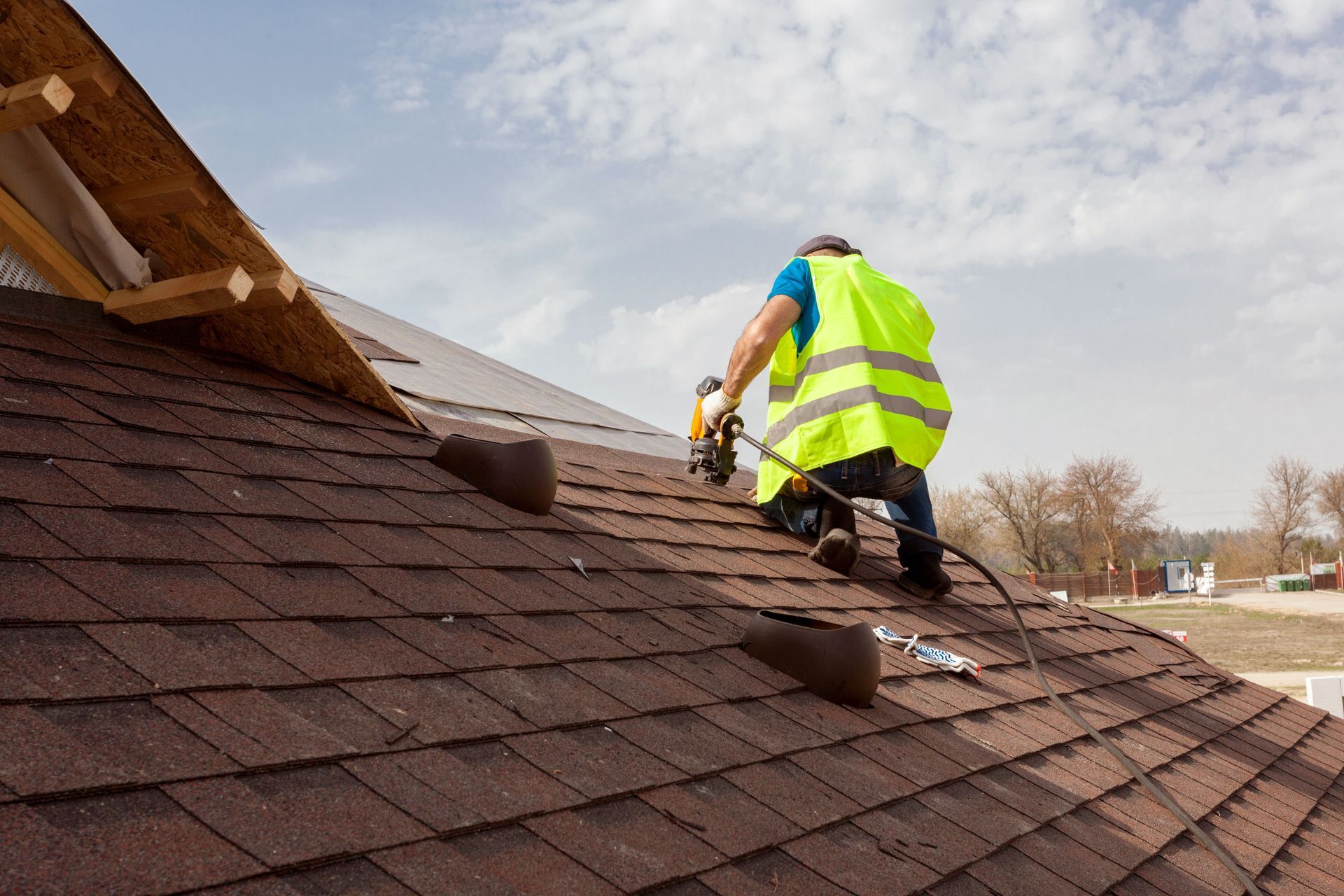
Longevity begins on day one. Even the best materials on the market will underperform if they're installed incorrectly. Improper nailing, poor underlayment, inadequate ventilation, and sloppy detailing around edges can shorten a roof's life by years and may even void manufacturer warranties.
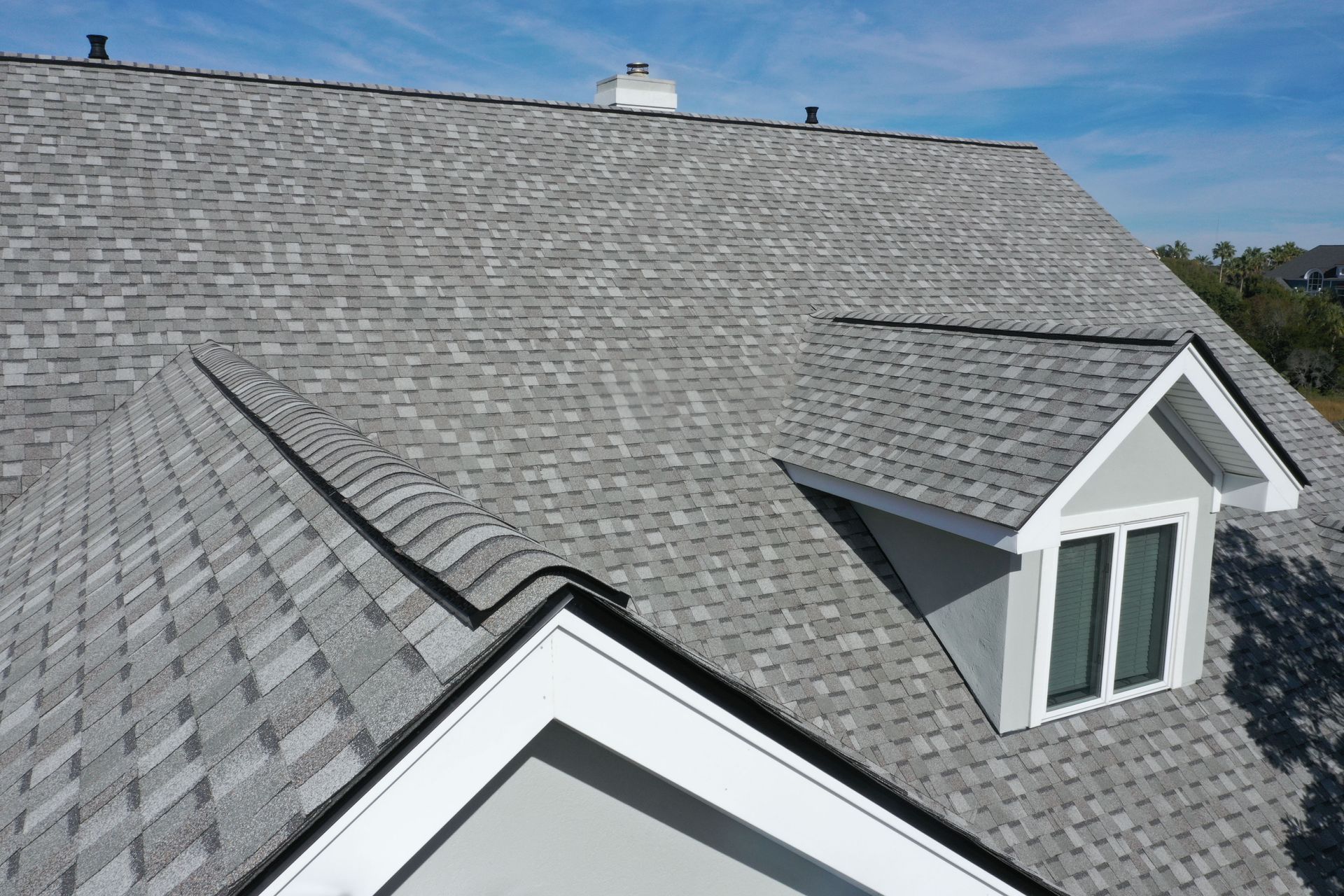
Asphalt shingles remain the most popular choice for homeowners, and for good reason. According to Home Advisor, asphalt shingles can hold up for 20 to 30 years when they receive regular maintenance, delivering reliable protection at a price most households can manage. That range is wide, though, and where your roof lands within it depends heavily on the quality of the installation.
This is why it pays to hire a certified professional instead of choosing the lowest bid or attempting a DIY project. An experienced local roofer understands how regional weather patterns, from heavy snow loads to summer heat, affect roofing materials, and will install your system to withstand those conditions. Certified installers can also offer manufacturer-backed warranties alongside their own workmanship guarantees, giving you added protection if something goes wrong down the road.
Scheduling Routine Professional Roof Inspections
Think of a roof inspection like an annual checkup with your doctor. Many of the problems that shorten a roof's life develop slowly and quietly, long before they become visible from the ground. Cracked or curling shingles, loose granules, lifted edges, and deteriorating seals can all go unnoticed until water finds its way inside.
Scheduling a professional inspection at least once a year, and after any major storm, allows you to catch these issues early. A qualified local roofer knows exactly where to look and what warning signs to watch for, including subtle damage that an untrained eye would miss. They can also give you an honest assessment of your roof's overall condition and a realistic estimate of how much life it has left.
While it may be tempting to climb up and take a look yourself, walking on a roof is dangerous and can actually damage shingles if you don't know how to move safely. Leave the inspection to the professionals, who have the proper safety equipment and training to do the job right.
Detecting Hidden Leaks Before They Spread
A roof leak rarely announces itself right away. Water can seep through a small gap, travel along rafters or decking, and pool in places far from the original entry point. By the time you notice a water spot on your ceiling or a musty smell in the attic, moisture may have been soaking into insulation and wood for weeks or even months.
Left unchecked, hidden leaks lead to rot, mold growth, damaged drywall, and weakened structural components. These problems don't just threaten your roof; they threaten the rest of your home and can create health concerns for your family.
Professional leak detection services use proven techniques to trace water back to its source, which is often trickier than it sounds. Working with a local roofer who specializes in leak detection means you'll get an accurate diagnosis instead of a guess, so the repair addresses the real problem rather than just the symptoms. Fixing the source quickly keeps a minor issue from turning into a major renovation.
Protecting Vulnerable Flashing and Roof Valleys
Some areas of your roof work harder than others. Chimneys and roof valleys are two of the most common trouble spots, and they deserve special attention if you want your roof to last.
Chimney flashing is the metal barrier that seals the joint where your chimney meets the roof. Over time, flashing can loosen, corrode, or pull away as materials expand and contract with temperature changes. When that seal fails, water runs straight into the gap and down into your home. Timely chimney flashing repair or replacement prevents this type of water intrusion and helps preserve your home's structural integrity.
Roof valleys, the V-shaped channels where two roof slopes meet, carry a large volume of rain and snowmelt toward your gutters. Because so much water flows through them, valleys are especially prone to wear, debris buildup, and leaks. A skilled local roofer can repair and reinforce these critical drainage areas so water moves off your roof the way it should. Both flashing and valley work require precision, so this isn't a job to handle with a tube of sealant and a ladder.
Responding Quickly to Storm Damage and Emergencies
Severe weather is one of the biggest threats to your roof's lifespan. High winds can lift and tear shingles, hail can bruise and crack them, and falling branches can puncture decking. Even when damage isn't obvious, a storm can weaken your roof in ways that lead to leaks months later.
After a major storm, it's smart to have your roof evaluated as soon as possible. A local roofer can conduct a detailed storm damage assessment, document what they find, and help you navigate the insurance claims process. Many reputable contractors work directly with insurance companies, which takes much of the stress and paperwork off your plate.
When disaster strikes and your roof is actively leaking, speed matters even more. Emergency roof repair services can quickly secure your roof, contain water intrusion, and minimize interior damage until permanent repairs can be made. Having the contact information for a responsive local roofer saved before storm season means you won't be scrambling to find help when every hour counts.
Making Timely Repairs Instead of Waiting
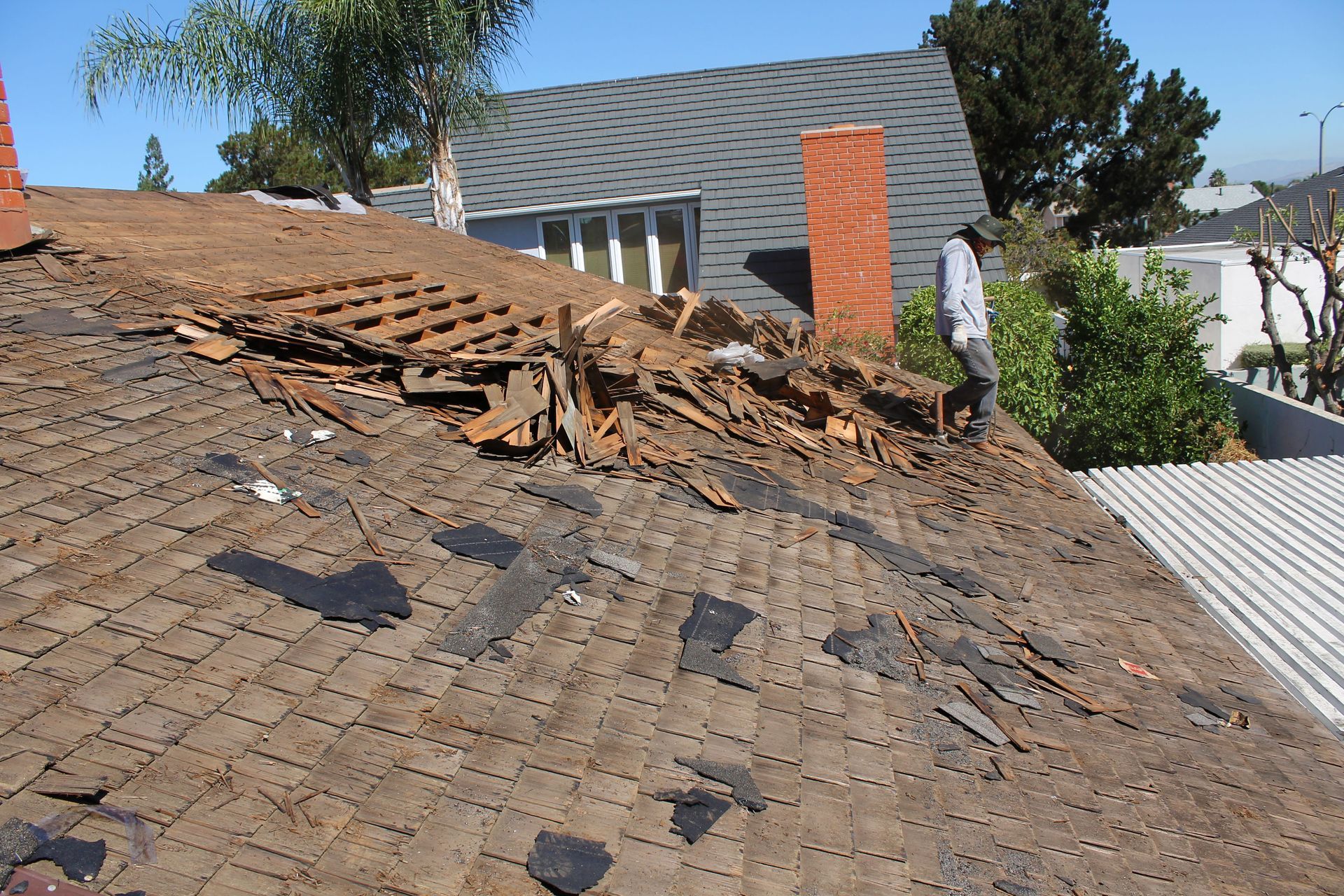
It's easy to put off a repair when the problem seems small. A few missing shingles or a slightly sagging section may not feel urgent, especially if nothing is leaking yet. Unfortunately, small issues almost always get worse. Exposed areas let moisture and wind in, which accelerates damage to surrounding shingles and the layers beneath them.
Addressing repairs promptly is one of the simplest ways to extend your roof's life. From replacing damaged shingles to fixing localized problem areas, professional repairs restore your roof's integrity with quality materials and skilled craftsmanship. A trustworthy local roofer will also tell you honestly whether a repair makes sense or whether your roof is approaching the point where replacement is the smarter investment.
Getting maximum longevity from your roof isn't about luck. It comes down to quality installation, regular inspections, prompt attention to leaks and vulnerable areas, and a quick response when storms or emergencies strike. Each of these steps protects not only your roof but also the home and family beneath it. Most importantly, partnering with experienced professionals ensures the work is done safely, correctly, and in a way that keeps your warranties intact.
If you're ready to protect your investment, we'd love to help. At Stateline Exteriors, we're a family-owned team that offers free inspections and estimates, and as your trusted local roofer, we're committed to keeping your roof strong for years to come. Contact us today to schedule your free roof inspection and take the first step toward a longer-lasting roof.