September 30, 2026
Discovering whether a roof needs a minor repair or a complete roof replacement can be challenging. A small leak or a few damaged shingles may appear to be an isolated problem, but they can sometimes indicate broader deterioration beneath the surface. On the other hand, replacing an otherwise serviceable roof because of one localized issue can create an unnecessary expense. Understanding the condition, age and construction of the roofing system can help homeowners determine which approach makes sense.
What Are the Signs Your Roof Needs Repair or Replacement?
The first step is identifying whether the problem is localized or widespread. A spot fix may be appropriate when damage is limited to a small area, such as a few missing or cracked shingles. Localized damage around flashing, vents or other roof penetrations may also be repairable without replacing the entire roof.
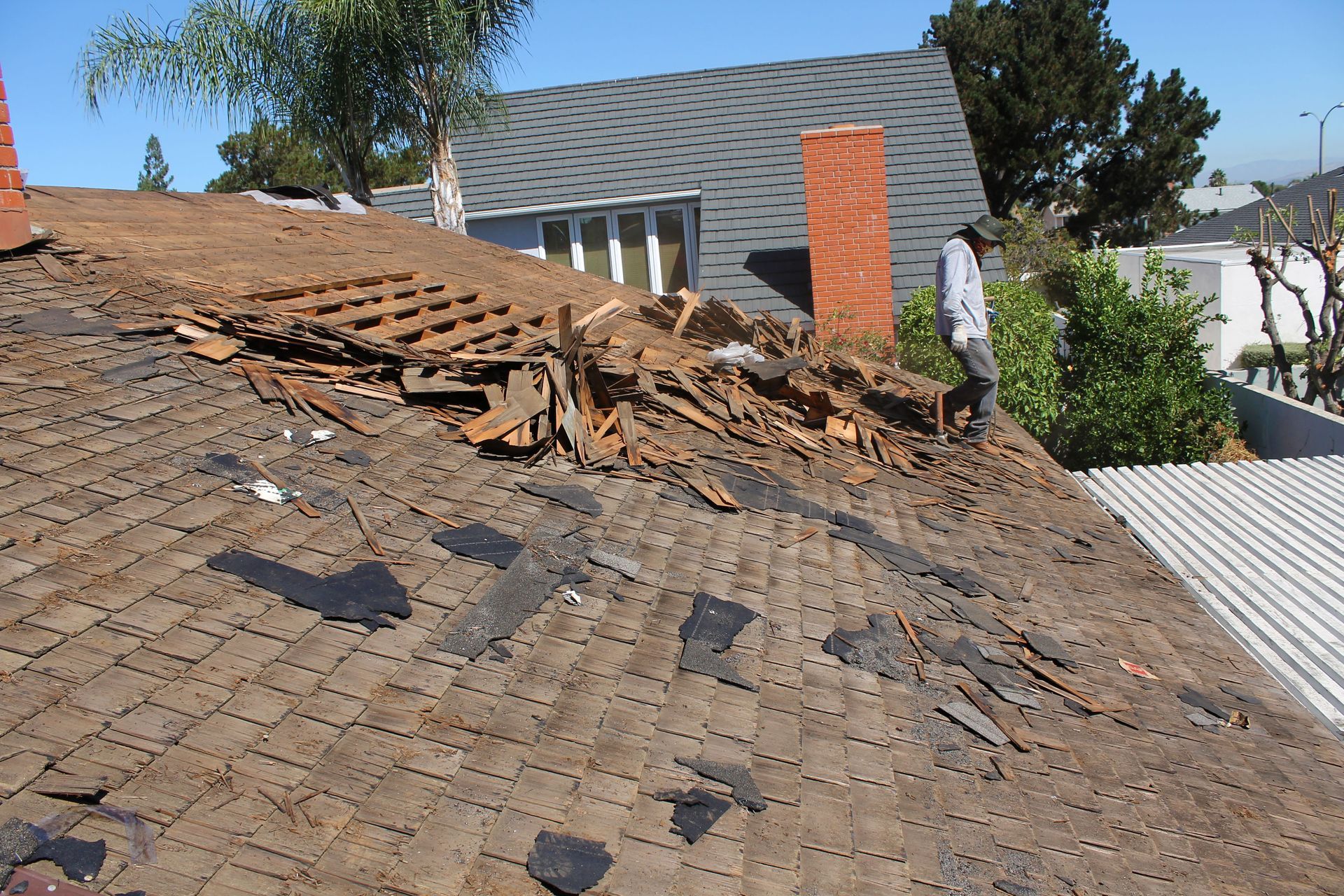
However, widespread missing shingles, extensive granule loss, recurring leaks or visible sagging can indicate that the roofing system is experiencing more significant deterioration. Water stains on ceilings or walls are another warning sign, although the location of an interior stain does not always correspond directly with the source of the leak. Water can travel beneath roofing materials before entering the home.
The condition of the underlying roof deck is also important. If moisture has caused significant rot or deterioration, simply repairing the visible roofing material may not resolve the problem. A professional inspection can help determine whether damage is confined to one area or affects a larger portion of the roof.
A roof replacement becomes more relevant when problems are occurring in multiple locations or repairs have become increasingly frequent. Repeatedly addressing individual failures may provide temporary relief without addressing the overall condition of an aging roofing system.
How Do Different Roofing Materials Affect the Decision?
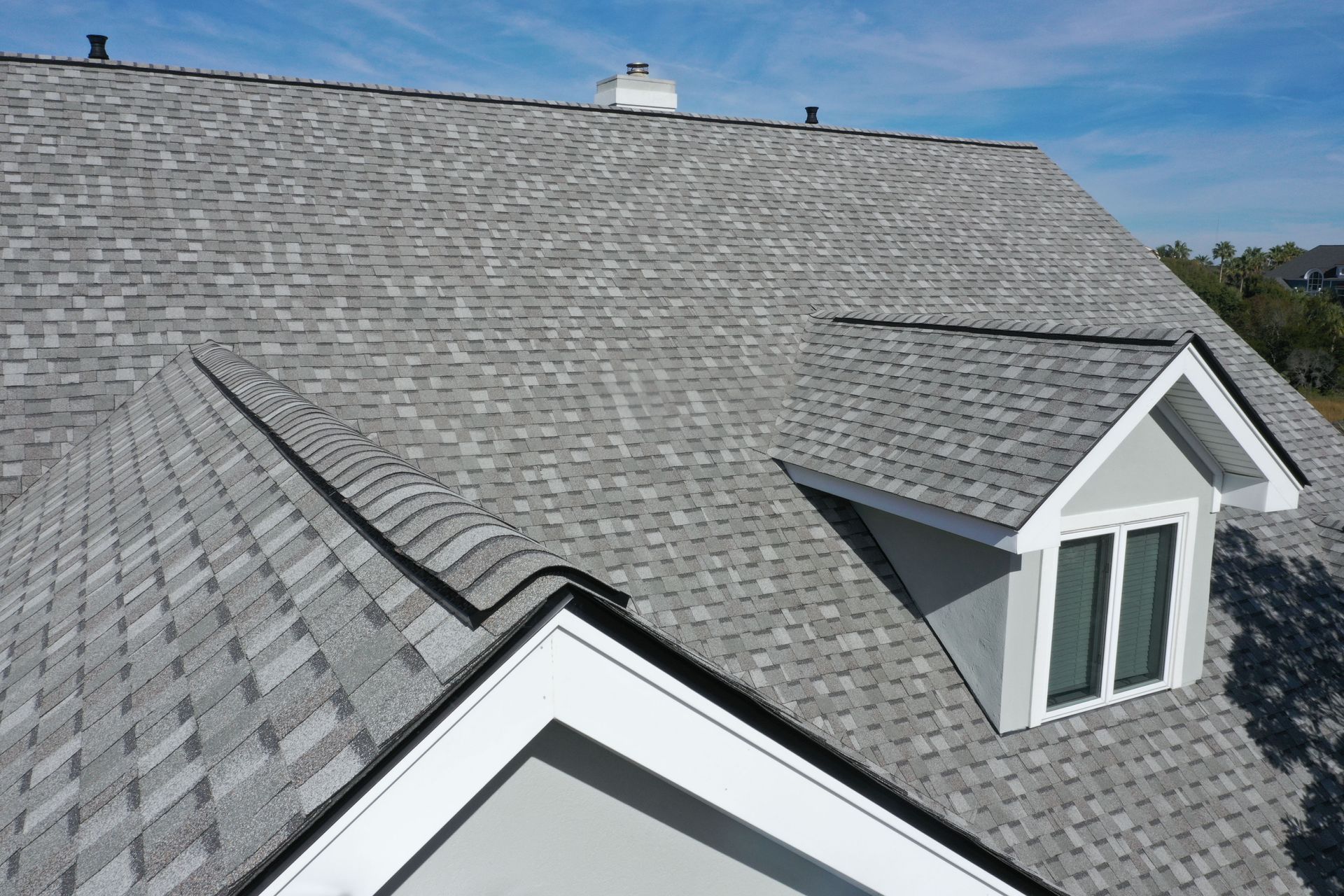
The type of roofing material can influence whether repairing a damaged section is practical. Asphalt shingles, for example, can often be replaced individually when damage is limited. If matching replacement shingles are available, a contractor may be able to repair the affected area without disturbing the rest of the roof.
Matching can become more difficult as a roof ages. Shingles exposed to years of sunlight and weather naturally change appearance, so new materials may stand out from the surrounding roof even when they are the same product. This does not necessarily mean that a repair is inappropriate, but homeowners should understand what the finished repair may look like.
Other roofing materials have different repair considerations. Metal roofing can sometimes be repaired by replacing individual panels or addressing specific seams and penetrations. Wood shakes, slate and tile may also be repairable when individual pieces are damaged, although the work can require specialized knowledge and appropriately matched materials.
The overall condition of the material matters just as much as its type. A roof made from a repairable material may still be a candidate for full roof replacement if deterioration is widespread. Conversely, a relatively newer roof with durable materials may warrant a targeted repair when the damage is isolated.
How Does the Age of Your Roof Impact the Choice?
Roof age is an important consideration because every roofing material has an expected service life. A relatively new roof with one damaged section may make a strong case for repair, particularly when the rest of the system remains in good condition.
As a roof approaches the end of its expected lifespan, however, isolated repairs may become less economical. Even if a contractor successfully fixes one leak, other components may continue to deteriorate and create additional problems later. Homeowners may find themselves paying repeatedly for repairs on different sections of the same aging roof.
Age should not be considered by itself. Installation quality, ventilation, maintenance, weather exposure and material selection can all influence how long a roof performs. Two roofs of the same age may therefore be in very different conditions.
A professional inspection can provide additional context. Rather than automatically replacing a roof because it has reached a particular age, homeowners can evaluate how much remaining service life the existing system may reasonably have and whether continued repairs make sense.
Can Weather Conditions Influence Your Decision?
Weather can accelerate roofing deterioration and sometimes create damage that requires immediate attention. High winds can loosen or remove shingles, while hail can damage roofing surfaces. Heavy snow and ice can also contribute to problems, particularly when moisture enters vulnerable areas or drainage becomes obstructed.
After a significant storm, homeowners should look for visible signs of damage when it is safe to do so. Missing shingles, damaged flashing, exposed roofing materials and fallen debris can all warrant professional evaluation. However, homeowners should avoid climbing onto the roof themselves, particularly when surfaces are wet, icy or otherwise hazardous.
Weather exposure can also influence the larger repair-versus-replacement decision. If a relatively new roof suffers damage from a major storm, repairing affected sections may be sufficient if the underlying system remains sound. If the roof was already nearing the end of its useful life, the same storm may prompt a broader evaluation of whether replacement is more appropriate.
Timing matters as well. A small roofing problem can become more serious when rain and other weather conditions repeatedly expose damaged areas to moisture. Addressing problems promptly can help prevent a localized issue from developing into more extensive damage.
What Role Does Cost Play in Opting for Repair or Replacement?
Cost naturally plays an important role in deciding between a repair and full roof replacement. A spot repair generally requires less material and labor, making it less expensive upfront. This can be a practical option when damage is genuinely limited and the remaining roof is in good condition.
However, the cheapest immediate option is not always the least expensive approach over the long term. If an aging roof requires repeated repairs, those individual expenses can accumulate. Homeowners should consider the expected remaining life of the existing roof alongside the cost of repairing the current problem.
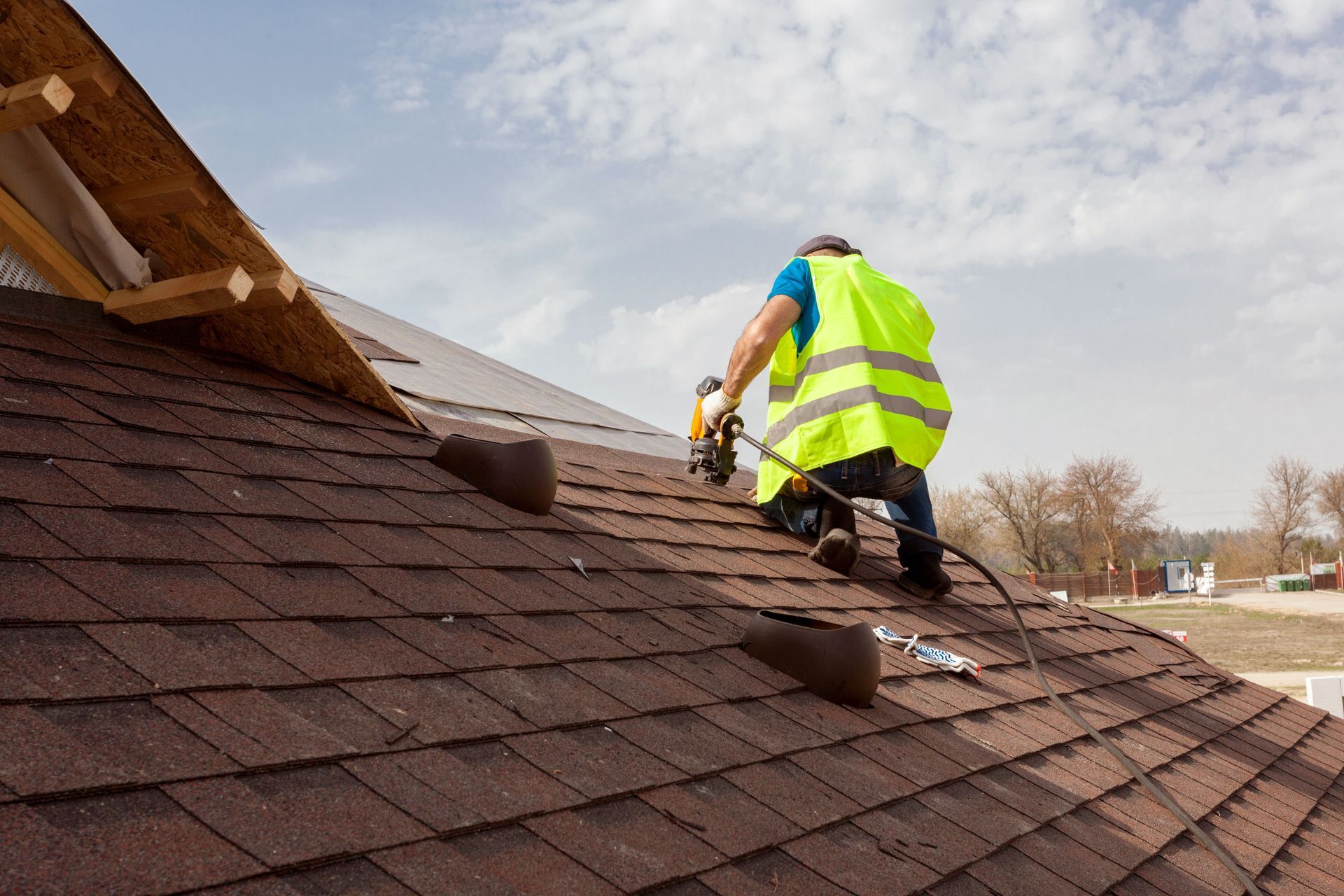
According to This Old House, labor accounts for a substantial portion of roofing project costs, making labor requirements an important factor when comparing repair and replacement options. A full roof replacement involves removing existing materials, preparing the roof surface and installing a new roofing system, so its labor requirements are considerably greater than those of many localized repairs.
Unexpected conditions can also affect the cost of either approach. For example, a contractor may discover deteriorated decking or damaged flashing while investigating a leak. Getting a detailed estimate that explains the recommended work can help homeowners understand what they are paying for.
It is also useful to consider the cost of postponing necessary work. A minor leak that is ignored can allow moisture to damage insulation, drywall, framing or other parts of the home. Addressing a problem while it remains localized may prevent a more expensive repair later.
Deciding between a spot fix and a full
roof replacement requires more than looking at the most obvious damage. Homeowners should consider the extent of the problem, the type and condition of the roofing material, the age of the roof, recent weather exposure and the long-term financial implications of each option.
A small, isolated problem on an otherwise healthy roof may be reasonably addressed with a targeted repair. Widespread deterioration, recurring problems or an aging roofing system may instead justify considering replacement.
When the situation is unclear, a professional inspection can provide valuable information about what is happening beneath the visible surface. By evaluating both the immediate problem and the condition of the entire roofing system, homeowners can make a more informed decision about whether a spot repair or roof replacement is appropriate. If you're looking for a roof repair or replacement, reach out to the team at Stateline Exteriors today!