
top of page

What to Expect from Roofing Repairs: A Comprehensive Guide

  • korey593
  • Mar 24
  • 3 min read

Roofing repairs can feel overwhelming, especially if you have never dealt with them before. Knowing what to expect helps you prepare, avoid surprises, and make informed decisions. This guide walks you through the key steps and details of roofing repairs, so you can approach the process with confidence.


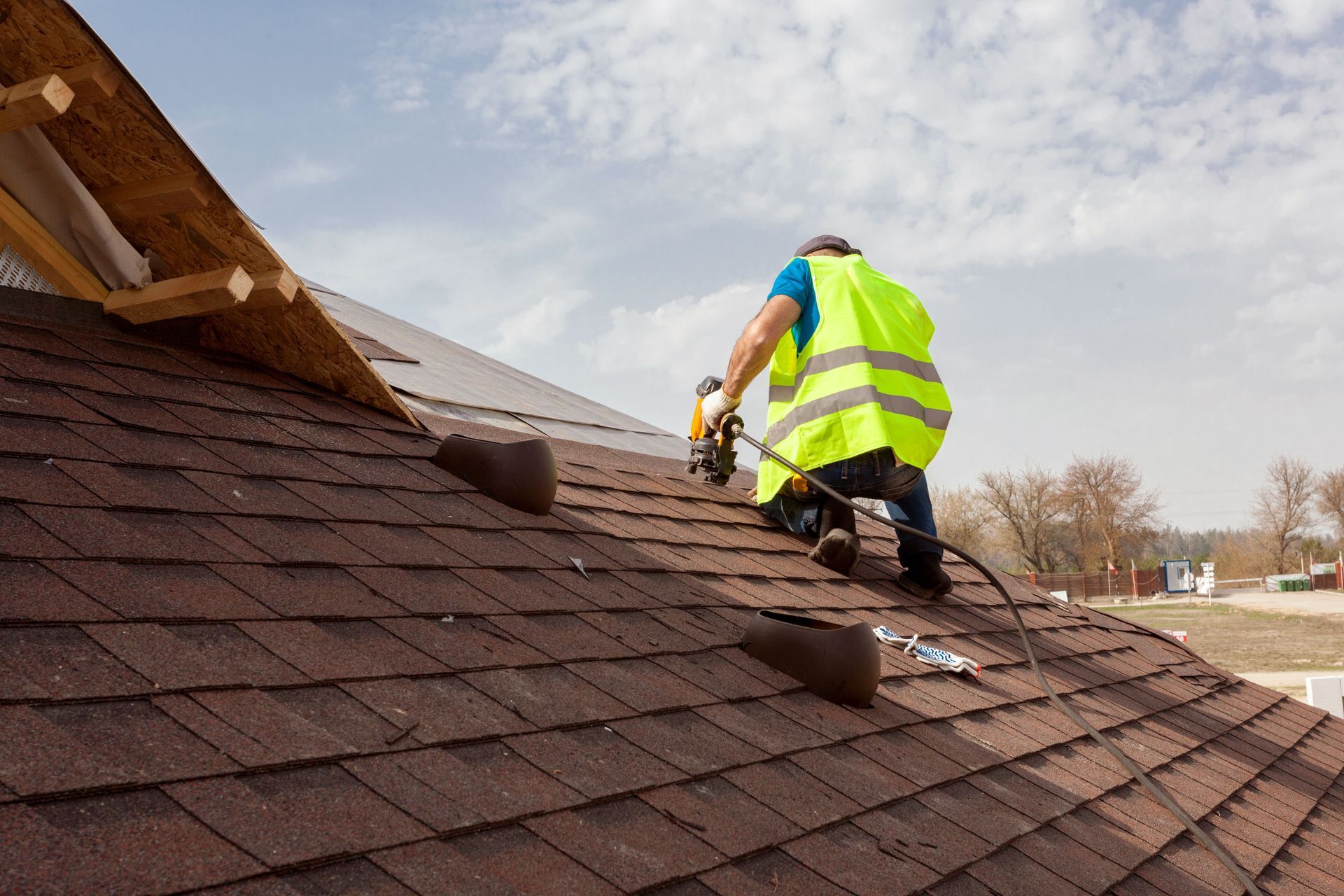
Eye-level view of a roofing contractor inspecting shingles on a residential roof
Roofing contractor inspecting shingles on a residential roof

Signs You Need Roofing Repairs


Before scheduling repairs, it’s important to recognize the common signs that your roof needs attention. Ignoring these signs can lead to bigger problems and higher costs.


  • Missing or damaged shingles: Shingles that are cracked, curled, or missing expose your roof to water damage.

  • Leaks inside the house: Water stains on ceilings or walls often indicate roof leaks.

  • Granules in gutters: Asphalt shingles shed granules over time; excessive granules in gutters suggest wear.

  • Sagging roof deck: A sagging roof can signal structural damage.

  • Moss or algae growth: While sometimes harmless, moss can trap moisture and damage shingles.


If you notice any of these signs, it’s time to call a professional roofer for an inspection.


What Happens During a Roofing Repair


Understanding the repair process helps you know what to expect when the work begins.


  1. Initial inspection

    The roofer examines your roof to identify damaged areas and determine the repair scope. This may include checking shingles, flashing, gutters, and the roof deck.


  1. Estimate and agreement

    After inspection, you receive a detailed estimate outlining the work, materials, timeline, and costs. Review this carefully before giving approval.


  2. Preparation

    The crew prepares the site by protecting landscaping and outdoor furniture. They may also set up safety equipment like scaffolding or ladders.


  1. Repair work

    Depending on the damage, repairs can include replacing shingles, fixing flashing, sealing leaks, or patching holes. The roofer works systematically to restore your roof’s integrity.


  2. Cleanup and final inspection

    After repairs, the team cleans the site, removing debris and nails. A final inspection ensures all issues are addressed and the roof is secure.


How Long Do Roofing Repairs Take?


The duration depends on the extent of damage and the repair type. Small repairs like replacing a few shingles can take a few hours. Larger repairs involving multiple areas or structural fixes may take several days.


Weather also affects timing. Rain or strong winds can delay work, so plan for some flexibility.


Costs to Expect for Roofing Repairs


Roofing repair costs vary widely based on factors such as:


  • Size of the damaged area

  • Materials used (asphalt, metal, tile, etc.)

  • Labor rates in your region

  • Accessibility and roof complexity


For example, replacing a few shingles might cost a few hundred dollars, while extensive repairs could run into thousands. Always get multiple quotes and check what is included to avoid surprises.


Tips for Choosing a Roofing Contractor


Selecting the right professional makes a big difference in repair quality and experience.


  • Check licenses and insurance

Confirm the contractor is licensed and insured to protect yourself from liability.


  • Read reviews and ask for references

Look for positive feedback and speak with past clients about their experience.


  • Get detailed written estimates

Avoid vague quotes. A clear estimate helps you compare offers and understand the work.


  • Ask about warranties

Reliable contractors offer warranties on materials and workmanship.


  • Communication matters

Choose a contractor who answers your questions clearly and respects your concerns.


Preparing Your Home for Roofing Repairs


Before work starts, take steps to protect your home and family:


  • Remove or cover outdoor furniture and valuables near the house.

  • Keep pets and children away from the work area.

  • Clear access points for the crew.

  • Plan for some noise and dust during the repair days.


Common Roofing Repair Examples


Here are some typical repairs you might encounter:


  • Shingle replacement

Damaged shingles are removed and replaced to restore protection.


  • Flashing repair

Metal flashing around chimneys, vents, and skylights is sealed or replaced to prevent leaks.


  • Gutter repair

Gutters may be cleaned, repaired, or replaced to ensure proper water drainage.


  • Leak sealing

Small leaks are sealed with roofing cement or patches.


  • Structural fixes

In cases of sagging or rot, roof decking or supports may be repaired or replaced.


Close-up view of a roofing repair patch on asphalt shingles
Close-up of roofing repair patch on asphalt shingles

What to Do After Roofing Repairs


Once repairs are complete, keep an eye on your roof’s condition:


  • Inspect your attic for signs of leaks after heavy rain.

  • Clean gutters regularly to prevent water buildup.

  • Schedule annual roof inspections to catch issues early.

  • Address minor problems promptly to avoid costly repairs later.


Taking care of your roof extends its life and protects your home.


Comments


bottom of page