
top of page

Top Roofing Tips for Homeowners: Stateline Exteriors

  • korey593
  • Mar 9
  • 4 min read

Maintaining a home is a significant responsibility, and one of the most crucial aspects of home maintenance is the roof. A well-maintained roof protects your home from the elements, enhances curb appeal, and can even increase property value. However, many homeowners overlook the importance of regular roof maintenance. In this blog post, we will explore essential roofing tips that every homeowner should know, ensuring your roof remains in top condition for years to come.


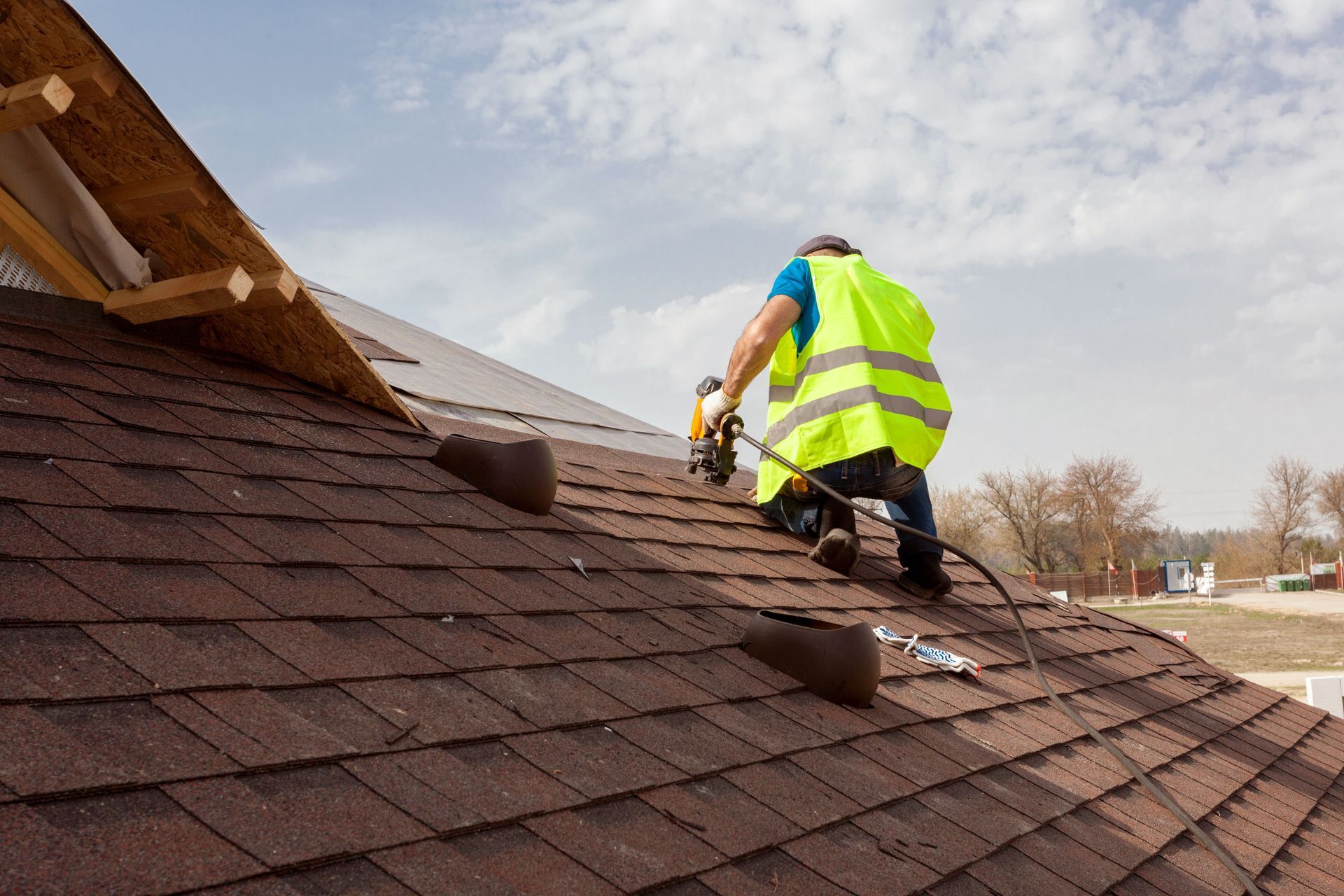
Eye-level view of a well-maintained roof with clear blue sky
A well-maintained roof showcasing quality craftsmanship.

Understanding Your Roof


Before diving into maintenance tips, it's essential to understand the different types of roofs and their components. Common roofing materials include asphalt shingles, metal, tile, and slate. Each material has its unique characteristics, benefits, and maintenance requirements.


Types of Roofing Materials


  1. Asphalt Shingles

  2. Pros: Affordable, easy to install, and available in various colors.

  3. Cons: Shorter lifespan compared to other materials, typically around 15-30 years.


  4. Metal Roofing

  5. Pros: Durable, energy-efficient, and can last 40-70 years.

  6. Cons: Higher upfront cost and can be noisy during rain.


  7. Tile Roofing

  8. Pros: Long-lasting (up to 100 years), fire-resistant, and energy-efficient.

  9. Cons: Heavy and may require additional structural support.


  10. Slate Roofing

  11. Pros: Extremely durable and can last over 100 years.

  12. Cons: Very expensive and requires specialized installation.


Understanding your roof type will help you make informed decisions about maintenance and repairs.


Regular Inspections


One of the best ways to maintain your roof is through regular inspections. Homeowners should inspect their roofs at least twice a year, ideally in the spring and fall. Here’s what to look for during an inspection:


  • Missing or Damaged Shingles: Look for any shingles that are cracked, curled, or missing. Replace them promptly to prevent leaks.

  • Debris Accumulation: Remove leaves, branches, and other debris from the roof and gutters to ensure proper drainage.

  • Signs of Leaks: Check for water stains on ceilings or walls inside your home, which could indicate a leak.

  • Moss and Algae Growth: These can retain moisture and damage shingles. Consider using a roof cleaner or hiring a professional to remove them.


Cleaning Your Roof


Keeping your roof clean is essential for its longevity. Here are some cleaning tips:


  • Use a Soft Brush: Gently scrub the roof with a soft brush to remove dirt and debris without damaging the shingles.

  • Avoid Pressure Washers: High-pressure washing can strip away protective granules from shingles, leading to premature wear.

  • Consider Professional Cleaning: If your roof has significant moss or algae growth, hiring a professional may be the best option.


Gutter Maintenance


Your gutters play a crucial role in protecting your roof and home. Clogged gutters can lead to water pooling on the roof, causing damage. Here’s how to maintain your gutters:


  • Clean Gutters Regularly: Remove leaves and debris at least twice a year. Consider installing gutter guards to reduce buildup.

  • Check for Proper Drainage: Ensure that gutters are sloped correctly to allow water to flow freely to downspouts.

  • Inspect Downspouts: Make sure downspouts direct water away from the foundation of your home to prevent water damage.


Addressing Repairs Promptly


If you notice any issues during your inspections, address them immediately. Delaying repairs can lead to more significant problems down the line. Here are common repairs homeowners should be aware of:


  • Replacing Missing Shingles: If you find missing shingles, replace them as soon as possible to prevent leaks.

  • Fixing Leaks: If you discover a leak, locate the source and repair it promptly. This may involve sealing cracks or replacing damaged flashing.

  • Repairing Flashing: Flashing is the material used to seal joints and prevent water from entering your home. Ensure it is intact and replace any damaged sections.


Seasonal Considerations


Different seasons bring unique challenges for your roof. Here’s how to prepare your roof for each season:


Spring


  • Inspect for Winter Damage: Check for any damage caused by snow or ice during the winter months.

  • Clean Gutters: Remove debris from gutters to prepare for spring rains.


Summer


  • Check for Heat Damage: High temperatures can cause shingles to warp or crack. Inspect for any signs of heat-related damage.

  • Trim Overhanging Branches: Keep trees trimmed to prevent branches from damaging your roof during storms.


Fall


  • Prepare for Winter: Clean gutters and inspect for any repairs needed before winter weather arrives.

  • Inspect for Leaf Buildup: Ensure leaves are cleared from the roof to prevent moisture retention.


Winter


  • Monitor for Ice Dams: Ice dams can form on the roof, preventing proper drainage. Ensure your attic is well-insulated to prevent heat loss.


Hiring a Professional


While many maintenance tasks can be done by homeowners, some situations require professional help. Here’s when to consider hiring a roofing contractor:


  • Major Repairs: If you have significant damage or leaks, a professional can assess the situation and provide the necessary repairs.

  • Roof Replacement: If your roof is nearing the end of its lifespan, a contractor can help you choose the right materials and ensure proper installation.

  • Safety Concerns: If you’re uncomfortable working on your roof or lack the necessary equipment, it’s best to hire a professional.


Choosing the Right Roofing Contractor


When hiring a roofing contractor, consider the following tips:


  • Check Credentials: Ensure the contractor is licensed and insured to protect yourself from liability.

  • Read Reviews: Look for customer reviews and testimonials to gauge the contractor's reputation.

  • Get Multiple Quotes: Obtain quotes from several contractors to compare prices and services.


Conclusion


Maintaining your roof is essential for protecting your home and ensuring its longevity. By following these roofing tips, you can keep your roof in excellent condition and avoid costly repairs. Regular inspections, cleaning, and prompt repairs are key to a healthy roof. If you ever feel overwhelmed or unsure, don’t hesitate to reach out to a professional for assistance. Your roof is one of your home’s most critical components, and taking care of it will pay off in the long run.


Remember, a well-maintained roof not only protects your home but also enhances its overall value. Take action today to ensure your roof remains in top shape for years to come!


Comments


bottom of page