
Enhance Curb Appeal with Quality Siding Solutions
- korey593
- Mar 9
- 4 min read
When it comes to home improvement, curb appeal is a term that often gets thrown around. It refers to how attractive your home looks from the street, and it plays a significant role in first impressions. Whether you are planning to sell your home or simply want to enjoy a more beautiful living space, enhancing your curb appeal can make a big difference. One of the most effective ways to achieve this is through quality siding solutions.
In this blog post, we will explore various siding options, their benefits, and how they can transform your home's exterior.

Understanding Siding
Siding is the material that covers the exterior of your home. It serves multiple purposes, including protection from the elements, insulation, and aesthetic appeal. Choosing the right siding can significantly impact your home's appearance and energy efficiency.
Types of Siding
There are several types of siding available, each with its unique characteristics. Here are some of the most popular options:
Vinyl Siding: This is one of the most common siding materials due to its affordability and low maintenance. It comes in various colors and styles, making it easy to find an option that suits your home.
Wood Siding: Known for its natural beauty, wood siding can give your home a warm and inviting look. However, it requires regular maintenance to prevent rot and insect damage.
Fiber Cement Siding: This material is a blend of cement, sand, and cellulose fibers. It is highly durable and resistant to fire, insects, and rot. Fiber cement siding can mimic the look of wood or stucco.
Stucco Siding: Common in warmer climates, stucco is a cement-based material that provides a unique texture. It is durable and can be painted in various colors.
Metal Siding: Often made from aluminum or steel, metal siding is known for its longevity and resistance to weather. It can give your home a modern look.
Benefits of Quality Siding Solutions
Investing in quality siding solutions can provide numerous benefits beyond just aesthetics. Here are some key advantages:
Enhanced Energy Efficiency
Quality siding can improve your home's insulation, leading to lower energy bills. For example, insulated vinyl siding can help maintain a consistent indoor temperature, reducing the need for heating and cooling.
Increased Home Value
A home with attractive siding can fetch a higher price on the market. According to the National Association of Realtors, siding replacement can yield a return on investment of up to 75%.
Low Maintenance
Many modern siding materials require minimal upkeep. For instance, vinyl and fiber cement siding are resistant to fading, rotting, and insect damage, allowing homeowners to spend less time on maintenance.
Improved Protection
Siding acts as a barrier against the elements. Quality siding solutions can protect your home from rain, wind, snow, and UV rays, ensuring that your home remains safe and sound.
Choosing the Right Siding for Your Home
Selecting the right siding for your home involves considering various factors, including your budget, climate, and personal style. Here are some tips to help you make the best choice:
Assess Your Budget
Determine how much you are willing to spend on siding. While some materials may have a higher upfront cost, they could save you money in the long run through reduced maintenance and energy bills.
Consider Your Climate
Different siding materials perform better in specific climates. For example, if you live in an area with high humidity, fiber cement or vinyl siding may be more suitable than wood, which can warp or rot.
Match Your Home's Style
Choose siding that complements your home's architectural style. For instance, traditional homes often look best with wood or vinyl siding, while modern homes may benefit from metal or fiber cement options.
Research Local Building Codes
Before making a final decision, check local building codes and regulations. Some areas may have restrictions on certain siding materials or colors.
Installation Process
Once you have chosen your siding, the next step is installation. While some homeowners may opt for a DIY approach, hiring a professional can ensure a high-quality finish. Here’s a brief overview of the installation process:
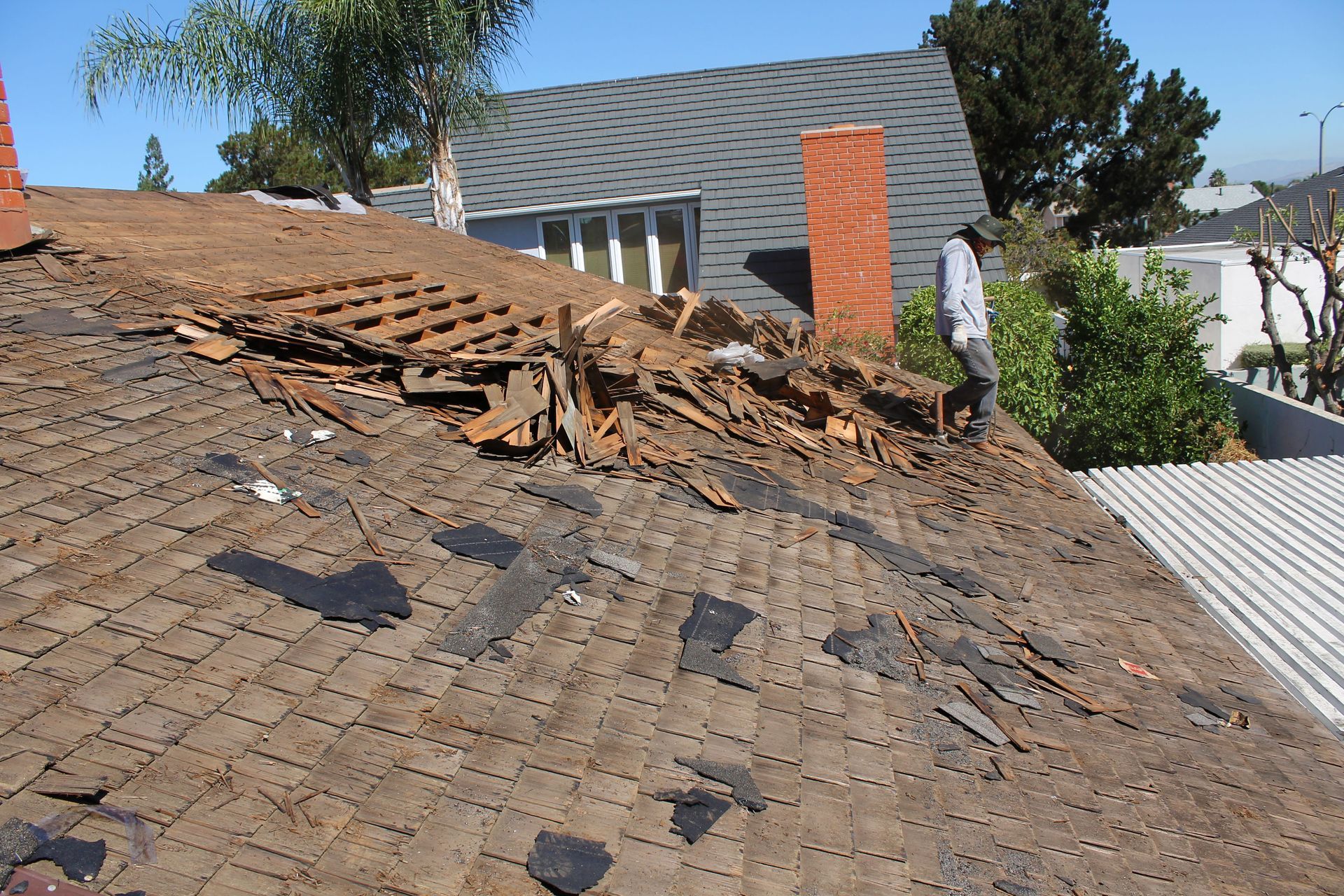
Preparation: Remove old siding and inspect the underlying structure for damage.
Insulation: Install insulation if necessary to improve energy efficiency.
Installation: Begin installing the new siding, ensuring proper alignment and fastening.
Finishing Touches: Add trim and caulking to seal gaps and enhance appearance.
Maintenance Tips for Siding
To keep your siding looking its best, regular maintenance is essential. Here are some tips to help you care for your siding:
Clean Regularly: Use a soft brush or pressure washer to remove dirt and debris. Avoid harsh chemicals that could damage the siding.
Inspect for Damage: Regularly check for cracks, warping, or signs of wear. Address any issues promptly to prevent further damage.
Repaint as Needed: If you have wood or fiber cement siding, repainting every few years can help maintain its appearance and protect it from the elements.
Conclusion
Enhancing your home's curb appeal with quality siding solutions is a smart investment that can yield significant benefits. From improved energy efficiency to increased home value, the right siding can transform your home’s exterior. By understanding the various siding options available and considering your specific needs, you can make an informed decision that enhances both the beauty and functionality of your home.
Take the next step in your home improvement journey by exploring quality siding solutions today. Your home deserves it!


Comments