October 30, 2026
Understanding the intricacies of roof repairs can save homeowners from unnecessary stress and expenses. Relying on professional roofers ensures that every aspect of your home's overhead protection is assessed accurately and repaired safely. This comprehensive guide aims to prepare you for the process, whether it's a small patch-up or a complete overhaul. With the right information, you can make informed decisions and minimize the impact of such repairs on your life and finances. Comprehending the different aspects of roof repair, from identifying damage to executing extensive renovations, is crucial. Let this guide be your partner in navigating the complex world of roof repairs.
Conducting the Initial Assessment: Identifying Roof Problems
Executing a Visual Inspection: Spotting Common Signs of Damage
The first step in roof maintenance is conducting a thorough visual inspection. Look for missing or damaged shingles, as these can be an entry point for water and cause further damage to the structure. Check for any signs of moss or algae, which can indicate trapped moisture. It's also crucial to inspect for sagging areas, as they could suggest structural issues beneath the surface. Regularly conducting these simple visual inspections can help homeowners address issues before they escalate into major problems.
Obtaining a Professional Evaluation: Knowing When to Call an Expert
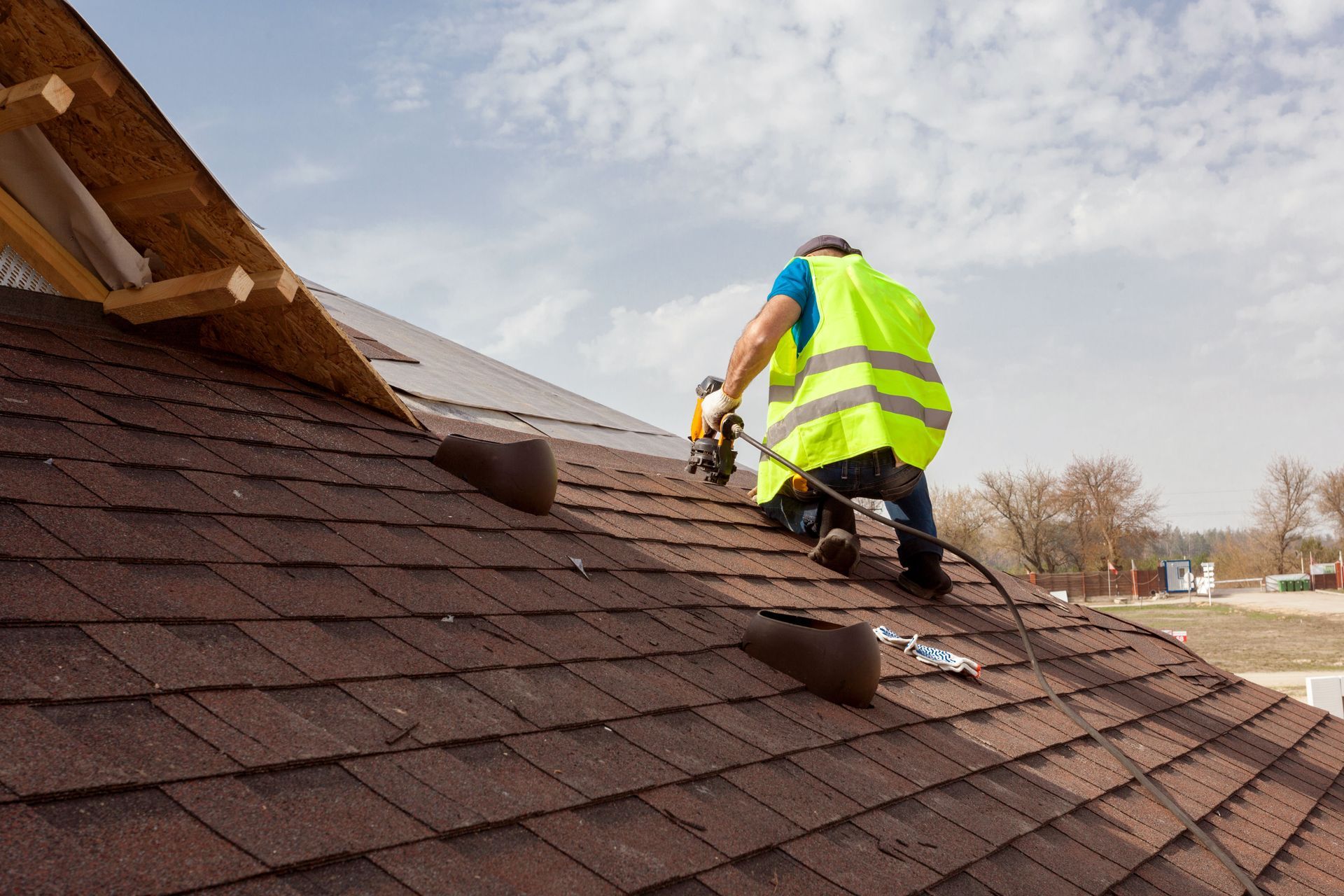
While some problems can be detected by homeowners, others require a professional eye. If you notice roof leaks or extensive shingle damage, it's best to consult experienced roofers for guidance. According to Home Advisor, minor repairs such as shingle replacement can take a few hours, while more complex tasks like fixing a sagging roof may extend to four days. A professional roofer provides not only their expertise but also specialized tools that ensure a comprehensive assessment. Their input can be invaluable in estimating repair costs and understanding the urgency of the needed repairs.
Understanding Common Types of Roof Damage: Learning the Basics
Roof damage can manifest in various forms, each requiring a unique approach. Wind damage often results in lifted or missing shingles, leaving the underlayment exposed to the elements. Water damage is particularly insidious, as it may only be visible once significant damage has occurred inside the home. Structural damage can present as sagging or bowing, often necessitating immediate attention to avoid roof collapse. Recognizing these common types of damage can help homeowners effectively communicate issues to licensed roofers.
Managing Minor Roof Repairs: Applying Quick Fixes to Common Issues
Executing Shingle Replacement: Addressing Missing or Broken Shingles
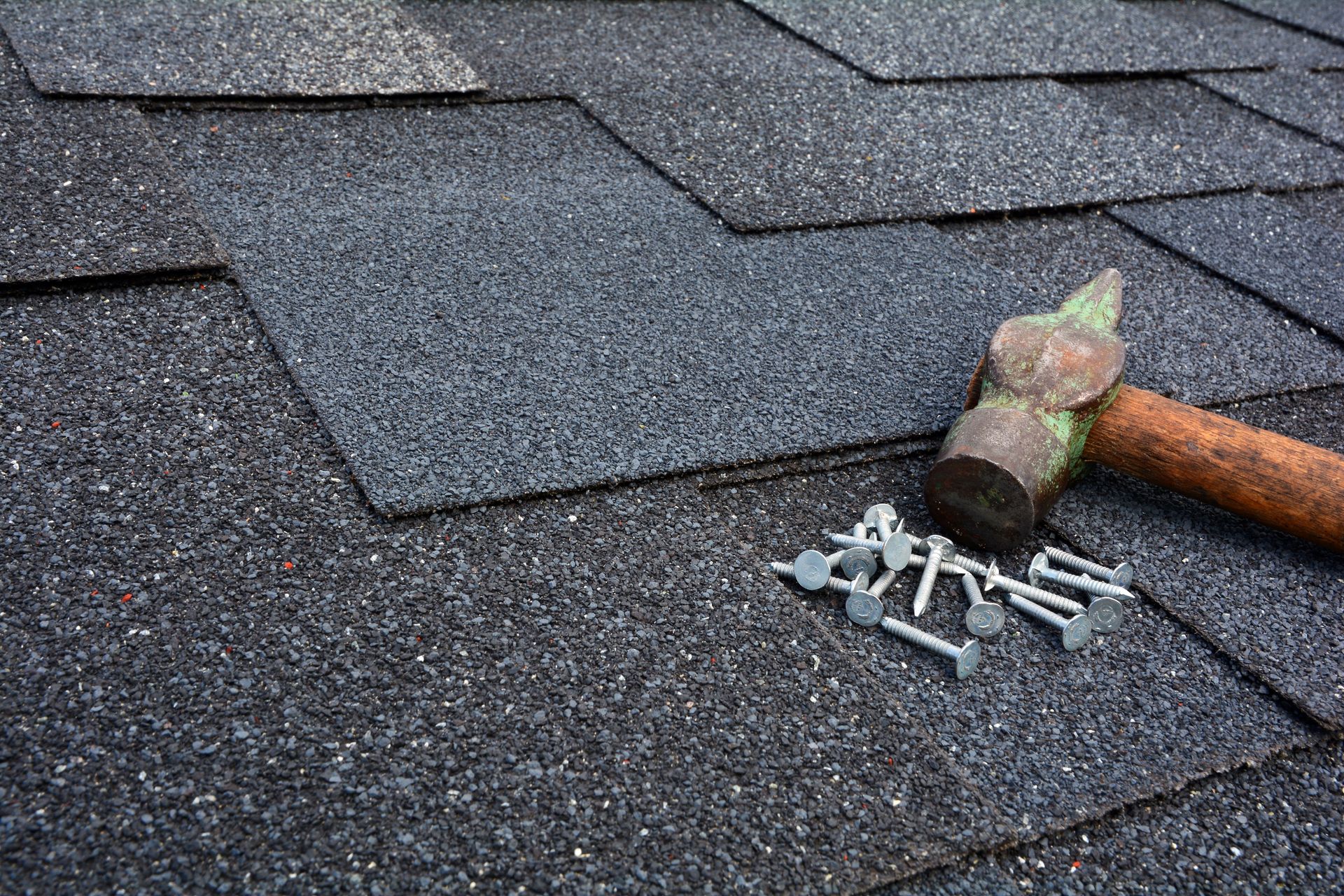
Replacing missing or broken shingles is one of the most straightforward roof repair tasks. Properly addressing these early signs of wear and tear is critical, as even a single missing shingle can lead to water seepage, affecting your roof’s underlayment. This task usually requires simple tools and can be performed swiftly by professional roofers. Homeowners who are comfortable with DIY repairs may also attempt this task during favorable weather. Consider using shingles of matching color and material to maintain the aesthetic consistency of your roof.
Sealing Leak Repairs: Stopping Small Leakages
Roof leaks can cause significant interior damage if not attended to promptly. Identifying the leak source is essential; check for water stains on ceilings or walls, which can indicate the entry point. Once identified, minor leaks can be sealed using roof sealant or tar, a quick solution to avoid further water damage. It’s vital to remember that even small leaks can signal larger underlying issues, necessitating professional evaluation from expert roofers. Regular roof inspections can help identify potential leakage points and address them before they become problematic.
Performing Flashing Repair: Fortifying Weak Spots
Flashing plays a crucial role in directing water away from critical areas such as chimneys, skylights, and vent stacks. Damage to flashing can compromise water drainage and cause leaks, thus necessitating timely repair. Replacing damaged flashing and re-sealing areas around protrusions can help prevent water infiltration. Given its importance, it's often advisable for this repair to be evaluated and executed by certified roofers. The integrity of flashing is fundamental to maintaining the roof’s overall durability and functionality.
Handling Major Roof Repairs: Resolving Complex Damage
Executing Partial Re-Roofing: Renewing Portions of the Roof
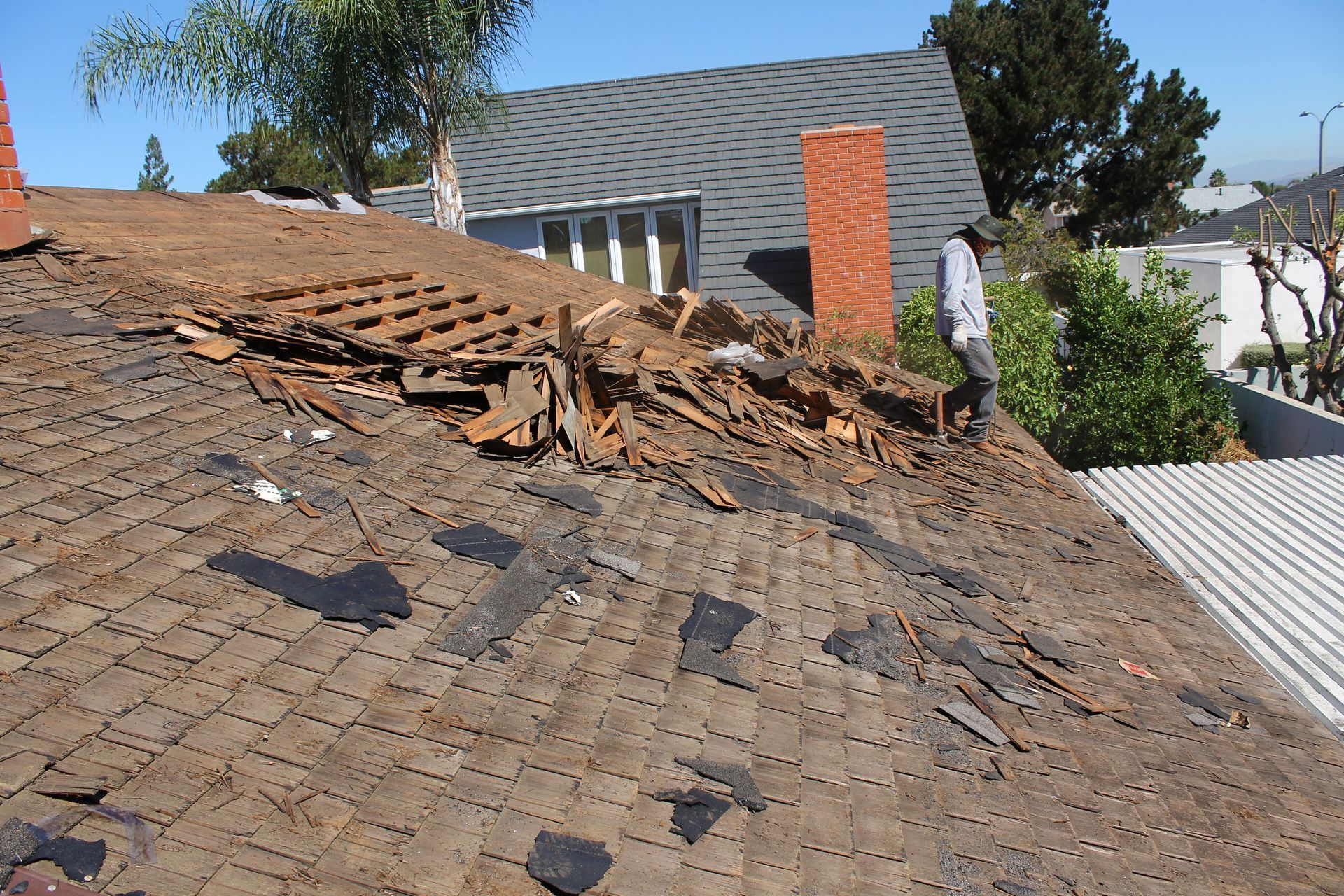
When only sections of the roof are compromised, partial re-roofing offers a cost-effective alternative to full replacement. This approach involves removing and replacing only the damaged areas. It's important to choose matching materials to avoid visual discrepancies that reduce curb appeal. While labor-intensive, this project typically requires less time and financial investment than total re-roofing. Professional guidance from expert roofers can ensure the right balance between structural integrity and aesthetic appeal when undertaking partial re-roofing.
Addressing Structural Damage: Repairing the Frame
Structural damage is a severe issue that can compromise the safety and stability of your home. Signs of structural roof damage include noticeable sagging, bowing rafters, and significant leaks. Professional intervention is imperative for such problems, as repairing a roof’s framework demands specialized skills and tools. Typically, this involves replacing damaged components and reinforcing the roof’s supporting structure. Homeowners should act promptly upon noticing structural issues to prevent worsening conditions and expensive repairs.
Executing Skylight Fixes: Dealing with Leaks and Cracks
Skylights can provide natural light and aesthetic charm, but they are also prone to leaks if not properly installed and maintained. Regular inspection of skylight seals can help prevent leaks and ensure proper fit. Fixing leaks involves resealing or replacing the weather-stripping or flashing around the skylight. For cracks, replacing the glass may be necessary to restore both functionality and safety. Well-maintained skylights complement roof longevity and enhance home value.
Selecting a Roofing Contractor: Ensuring Quality Workmanship
Conducting Research and Seeking Referrals: Finding Professionals
Choosing the right contractor is crucial to ensuring quality repair work. Start by seeking referrals for local roofers from friends, family, or online platforms that provide verified reviews and feedback from past clients. Investigate their project portfolios to verify consistency and quality, while checking credentials and certifications to assure professional standards. An in-person consultation can help gauge the contractor's expertise and compatibility with your needs. Ensuring the contractor has a reputation for conscientious and reliable service minimizes potential headaches during the repair process.
Evaluating Licenses and Insurance: Protecting Your Investment
Verification of a contractor’s licensing and insurance is crucial before committing to any repair work. Hiring licensed roofers demonstrates compliance with local construction and safety regulations, providing peace of mind regarding credibility. Adequate insurance coverage protects not only the contractor but also eliminates homeowners' liability in case of accidents or property damage. Request proof of both state licensing and liability insurance to ensure comprehensive coverage. Due diligence in this area is a non-negotiable step towards protecting your financial and structural investment.
Comparing Quotes: Balancing Cost and Quality
Requesting multiple quotes enables homeowners to compare and contrast both cost and service scope, essential for informed decision-making. Each quote should detail labor costs, materials, permit fees, and contingency provisions should unexpected issues arise. Consider the contractor’s experience and reputation in conjunction with the quoted price, as the lowest cost does not always reflect the best value. Investing in quality workmanship may require stretching your budget but can prevent future repair costs. Healthy competition among contractors can also motivate price reductions without compromising service quality.
Sustaining the integrity of your roof is crucial in protecting your home. By understanding the range of repairs and maintaining regular upkeep, you can ensure a safe and secure living environment while potentially saving on costly repairs in the future. Proper planning, routine maintenance, and informed decisions ultimately create an environment where your roof remains a reliable and durable asset. Roof longevity and aesthetic appeal are achievable through conscientious care and timely attention to necessary upkeep. Let these insights guide you to a seamless, efficient, and effective roof repair experience.
Protect your home and ensure lasting quality by contacting Stateline Exteriors today to schedule a consultation with our experienced roofers!