
top of page

Understanding Roofing Insurance Requirements In Your Area

  • korey593
  • May 27
  • 3 min read

Roofing projects come with risks that can affect homeowners, contractors, and businesses alike. Whether you are planning a roof replacement, repair, or new installation, understanding the insurance requirements related to roofing is essential. Insurance protects all parties from financial losses due to accidents, property damage, or unforeseen events during the roofing process.


This post explains the key insurance types involved in roofing, the legal requirements that vary by location, and practical tips to ensure you meet these requirements. By the end, you will know how to protect yourself and your property when dealing with roofing work.


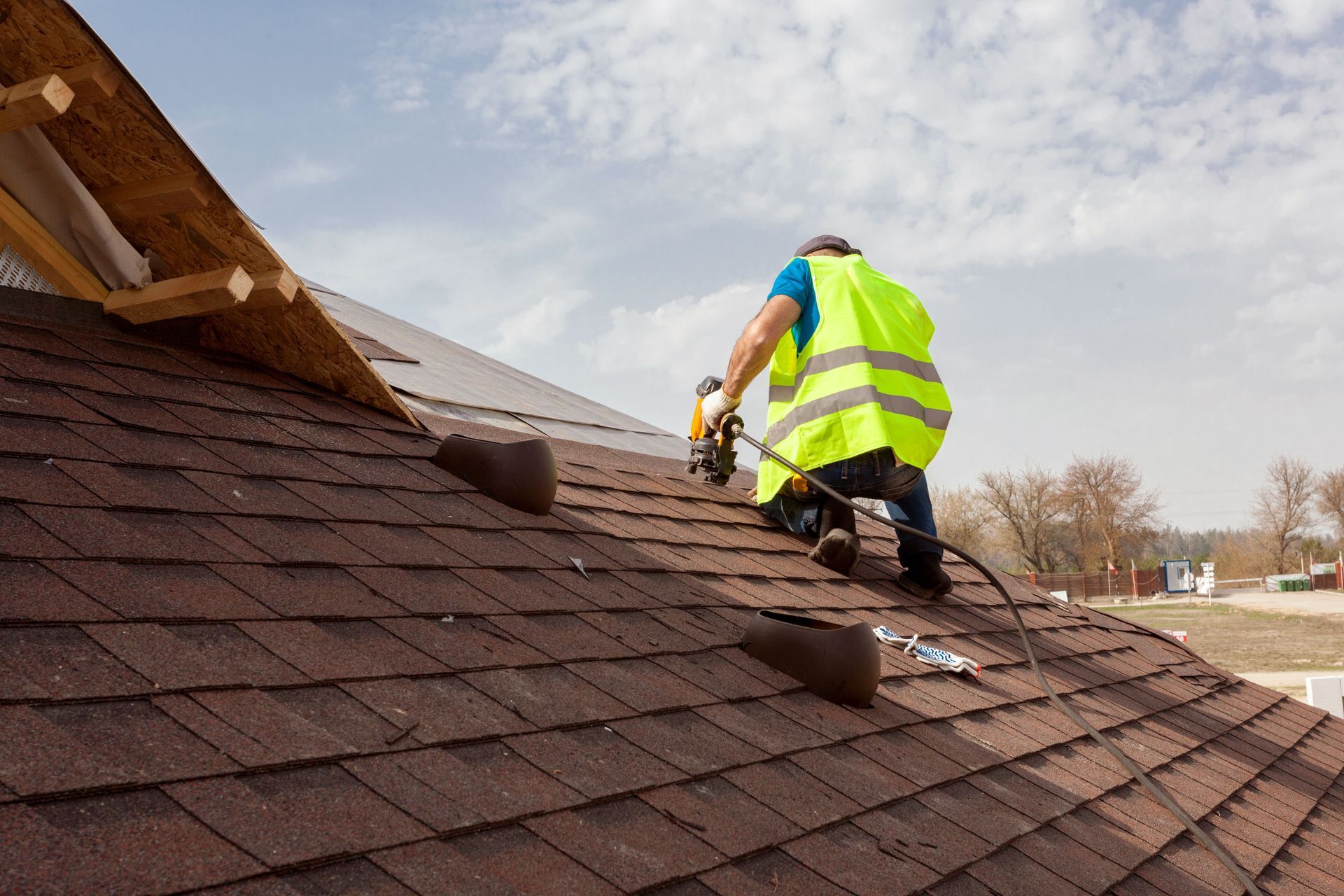
Eye-level view of a roofing contractor inspecting a residential roof with safety gear
Roofing contractor inspecting a roof with safety equipment

Roofing contractor inspecting a residential roof with safety gear


Why Roofing Insurance Matters


Roofing work involves heights, heavy materials, and specialized equipment. These factors increase the risk of accidents and damage. Insurance provides a safety net by covering costs related to:


  • Injuries to workers or bystanders

  • Damage to the property being worked on or neighboring properties

  • Theft or loss of roofing materials and tools

  • Liability claims if someone sues for damages or injuries


Without proper insurance, homeowners may face unexpected expenses, and contractors risk losing their business licenses or facing lawsuits.


Types of Insurance Relevant to Roofing


Understanding the different types of insurance involved in roofing helps you verify that contractors are properly covered and that your property is protected.


General Liability Insurance


This insurance covers bodily injury and property damage caused by the contractor’s operations. For example, if a roofing nail falls and damages a car parked nearby, general liability insurance would cover the repair costs.


Workers’ Compensation Insurance


Roofing is a high-risk job. Workers’ compensation insurance covers medical expenses and lost wages if a worker gets injured on the job. Most states require contractors to carry this insurance if they have employees.


Commercial Auto Insurance


If the roofing company uses vehicles to transport workers or materials, commercial auto insurance covers accidents involving those vehicles.


Property Insurance


Contractors may carry property insurance to protect their tools and equipment from theft or damage while on the job site.


Surety Bonds


While not insurance, surety bonds guarantee that the contractor will complete the job as agreed. Some states require bonds for roofing contractors.


Legal Insurance Requirements by Location


Insurance requirements for roofing vary widely depending on your state, county, or city. Some common rules include:


  • Contractors must carry general liability insurance with minimum coverage amounts.

  • Workers’ compensation insurance is mandatory for companies with employees.

  • Proof of insurance is often required before a roofing permit is issued.

  • Homeowners may be required to verify contractor insurance before hiring.


For example, in California, roofing contractors must have a minimum of $1 million in general liability insurance and workers’ compensation coverage if they have employees. In Texas, requirements vary by city, but general liability insurance is commonly required.


Always check with your local building department or licensing board to confirm the exact insurance requirements for roofing in your area.


How to Verify Roofing Insurance


Before hiring a roofing contractor, verify their insurance to avoid liability issues:


  • Ask for a certificate of insurance (COI) that lists coverage types and limits.

  • Confirm the insurance is current and valid.

  • Check that your property or yourself is named as an additional insured on the policy.

  • Contact the insurance company directly to verify the policy details.

  • Avoid contractors who cannot provide proof of insurance.


Insurance and Roofing Permits


Many local governments require a roofing permit before work begins. Proof of insurance is often part of the permit application. This ensures that contractors meet safety and financial responsibility standards.


Failing to obtain a permit or verify insurance can lead to fines, work stoppages, or problems when selling your home later.


Practical Tips for Homeowners


  • Always hire licensed and insured roofing contractors.

  • Review the insurance certificate carefully.

  • Understand what your homeowner’s insurance covers related to roofing.

  • Keep copies of all insurance documents and permits.

  • Ask about warranties and guarantees that may be affected by insurance coverage.


Common Insurance Challenges in Roofing


  • Some small contractors may not carry workers’ compensation insurance, increasing risk.

  • Insurance claims can be denied if roofing work was done without permits.

  • Homeowners may assume their insurance covers contractor accidents, but this is often not the case.

  • Insurance costs can vary based on the roofing materials and project size.


Recent Posts

See All

Comments


bottom of page