
Understanding Fair Pricing in Roofing: What Homeowners Need to Know
- korey593
- May 17
- 3 min read
Roofing is one of the most critical investments homeowners make to protect their property. Yet, many find it challenging to understand what constitutes fair pricing when hiring roofing contractors. Prices can vary widely, and without clear knowledge, homeowners risk overpaying or settling for subpar work. This post breaks down the key factors that influence roofing costs and offers practical advice to help you make informed decisions.

What Determines the Cost of a Roofing Project
Several elements affect how much a roofing job will cost. Understanding these can help you evaluate quotes and avoid surprises.
Materials Used
Roofing materials vary in price, durability, and appearance. Common options include:
Asphalt shingles: Most popular and affordable, lasting 15-30 years.
Metal roofing: More expensive but durable and energy-efficient.
Clay or concrete tiles: High-end, heavy materials requiring reinforced structures.
Wood shingles or shakes: Natural look but require maintenance and are less fire-resistant.
Material choice impacts not only the upfront cost but also long-term maintenance and replacement expenses.
Roof Size and Complexity
The larger the roof, the more materials and labor are needed. Complexity also matters:
Multiple roof angles or steep slopes increase labor time and risk.
Features like skylights, chimneys, or vents require additional work.
Roof pitch affects safety measures and equipment needed.
A simple, flat roof costs less than a steep, multi-faceted one.
Labor Costs
Labor rates depend on location, contractor experience, and project difficulty. Skilled roofers charge more but deliver quality work that lasts. Cheap labor may save money initially but can lead to costly repairs later.
Removal of Old Roofing
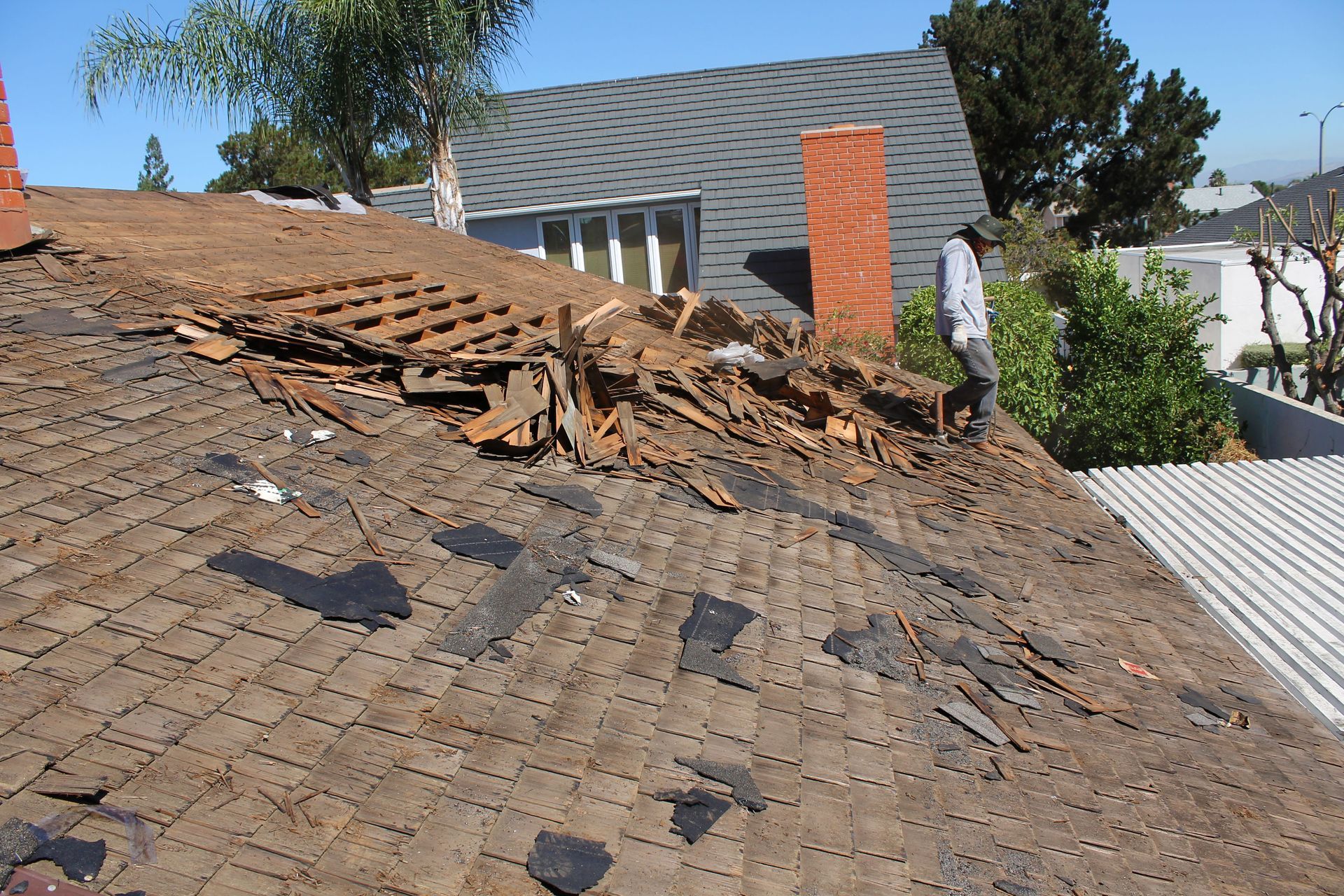
If your roof needs stripping before new installation, expect extra charges. Removing old shingles or tiles adds time and disposal fees.
Permits and Inspections
Local regulations may require permits and inspections, which add to the total cost. A reputable contractor should handle these details.
How to Identify Fair Pricing
Knowing what influences roofing costs helps, but how do you tell if a quote is fair?
Get Multiple Quotes
Request estimates from at least three contractors. Compare line items carefully, not just the total price. Look for:
Detailed breakdown of materials and labor
Warranty terms
Timeline for completion
Research Market Rates
Check average roofing costs in your area. For example, in many U.S. regions, asphalt shingle roofs typically cost between $3.50 and $5.50 per square foot installed. Prices outside this range warrant further inquiry.
Beware of Extremely Low Bids
If a quote is significantly lower than others, it may indicate:
Use of substandard materials
Cutting corners on labor
Hidden fees not included upfront
Ask questions and verify contractor credentials before proceeding.
Understand Warranty and Guarantees
Fair pricing includes warranties on materials and workmanship. A solid warranty protects your investment and signals confidence from the contractor.
Practical Tips for Homeowners
Inspect Your Roof Regularly
Routine inspections can catch minor issues early, avoiding expensive replacements. Knowing your roof’s condition helps you plan and budget.
Ask for References and Reviews
Check past customer feedback to gauge reliability and quality. A trustworthy roofer will have positive reviews and be willing to provide references.
Clarify Payment Terms
Avoid paying the full amount upfront. A common practice is a deposit with progress payments tied to milestones.
Consider Long-Term Value
Sometimes paying more upfront for quality materials and skilled labor saves money over time by reducing repairs and extending roof life.
Common Roofing Pricing Examples
Asphalt shingle roof replacement on a 2,000 sq ft home: $7,000 to $11,000 depending on material grade and complexity.
Metal roof installation on a 1,500 sq ft home: $12,000 to $18,000 due to higher material costs.
Tile roof repair for minor leaks: $500 to $1,500 depending on damage extent.
These examples illustrate how size, material, and work scope influence pricing.
Red Flags to Watch For
Contractors unwilling to provide written estimates.
Lack of proper licensing or insurance.
Pressure to sign contracts immediately.
No clear warranty or guarantee.
Trustworthy contractors are transparent and patient in answering your questions.


Comments